

Strategický energetický management pomocí měřicích zařízení
Zlepšení udržitelnosti optimalizací provozu s monitorováním spotřeby

Energetická optimalizace v pomocných okruzích
Provozní efektivita v řízení procesů a průmyslových aplikacích byla a nadále je důležitým cílem pro provozovatele zařízení a inženýry. S rostoucími náklady na energii a rozšířenými ekologickými iniciativami jsou úspory energie ve společnostech stále důležitější. Operátoři stojí před úkolem najít příležitosti k úsporám při odpovědném využívání zdrojů při zachování bezpečnosti, kvality, spolehlivosti a provozuschopnosti.
Personál závodu může snížit provozní náklady úsporou energie, kdykoli je to možné. Ví však personál, kolik energie se v závodě skutečně spotřebovává? Implementace plánu energetického managementu se správným vybavením může tento problém vyřešit spolu s dalšími problémy.
Setting energy performance indicators that hold up
An energy performance indicator, or EnPI, is a measurable value used to track energy performance in relation to production, process output or operating conditions. A useful EnPI does not only show how much energy is consumed. It shows whether energy was used efficiently. Examples of industrial EnPIs include:
- kWh per tonne produced for energy-intensive production lines
- m³ of compressed air per unit produced for compressed air systems
- kg of steam per batch for thermal processes
- Specific energy consumption for comparing energy use across batches, lines or sites
The right EnPI should be continuously measurable, attributable to a defined process and normalized for output. This prevents teams from misreading higher consumption as poor performance when production volume, product mix or ambient conditions have changed.
Reliable EnPIs depend on reliable measurement. If the meter behind the indicator is not accurate, the energy KPI will not support confident decisions.
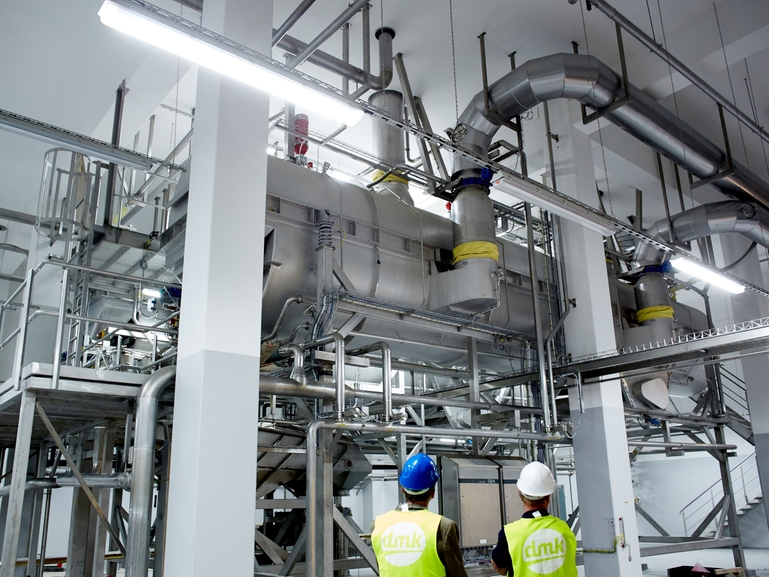
Přizpůsobit energii náročné klíčové služby v potravinářské výrobě.
Mnoho procesů ve výrobě potravin a nápojů je vysoce energeticky náročných. Tyto výzvy vyžadují inovativní přístrojové vybavení, digitalizaci a strategie snižování spotřeby, aby se dosáhlo úspory nákladů a efektivnějšího využívání energie. Začněte identifikací možných oblastí, kde je místo pro zlepšení a optimalizaci procesů.
Establishing an energy baseline you can defend
An energy baseline is the reference point used to evaluate whether energy performance has improved. It defines how much energy a process, line or site typically uses under comparable operating conditions.
A defensible baseline requires enough measured data to reflect normal production patterns. It should also be normalized against variables that influence consumption, such as production volume, ambient temperature, operating hours or product mix. Once a baseline is established, energy benchmarking becomes possible. Teams can compare similar lines, sites or operating periods and identify where performance deviates from expected energy use.
What ISO 50001 expects from your measurement data
ISO 50001 provides a framework for systematic energy management. From a measurement perspective, the standard requires organizations to understand their energy use, identify significant energy users and demonstrate improvement against a defined baseline.
Process instrumentation, utility metering and diagnostics that help create reliable, auditable measurement data for energy management and continuous improvement.
For companies preparing for ISO 50001 implementation, trustworthy measurement data supports three practical needs: identifying significant energy users, tracking EnPIs and providing evidence that energy performance is improving over time.
Is an industrial energy audit the same as ISO 50001?
An industrial energy audit is an assessment used to identify where energy is consumed and where efficiency improvements may be possible. ISO 50001 is a management system standard that helps organizations manage and improve energy performance continuously.
An audit can provide useful input for an energy management plan, but sustained improvement depends on ongoing measurement, monitoring and action.
Energy efficiency monitoring: Turning meter output into savings
Energy efficiency monitoring becomes valuable when measured data leads to action. The chain is simple: Measure consumption, aggregate data, normalize it against the energy baseline, detect deviations and decide what needs to change. Metered utility consumption also provides the activity data needed for sustainability reporting, supporting Scope 1 emissions calculations through fuel use in boilers and Scope 2 reporting through purchased electricity consumption.
For example, if compressed air consumption rises while production output remains stable, the variance may indicate leaks, pressure losses or inefficient operating settings. If steam use per batch increases, the cause may sit in distribution losses, process settings or heat transfer performance.
Energy reporting helps keep these insights visible. Regular reports allow operations, maintenance and sustainability teams to align on priorities, track progress and document the impact of implemented energy conservation measures.
Energy management in food and beverage production
Food and beverage production is often energy-intensive because many processes depend on thermal treatment, refrigeration, clean-in-place operations, compressed air, steam, heating and cooling. These utilities can represent major energy consumers and are often distributed across several production areas.
Industrial energy management helps food and beverage manufacturers identify where consumption is highest, which processes vary most and where efficiency improvements can be prioritized without compromising food safety, quality or uptime.
Keeping the data trustworthy: Instrumentation and diagnostics
An EnPI is only as reliable as the measurement behind it. Process instrumentation provides the field data needed to calculate energy performance, detect inefficient operation and verify whether improvement actions are working.
In-situ verification and diagnostics help maintain confidence in measurement data over time. Endress+Hauser Heartbeat Technology, for example, supports device verification and diagnostics without interrupting the process, helping plants keep energy data trustworthy throughout the instrument lifecycle.
Once the energy management plan, EnPIs and baseline are defined, the next step is to identify where the largest savings potential sits in the plant. Utility systems such as steam, boilers, heating and cooling as well as compressed air often provide practical starting points for improvement.

